Designing with Depth: A Practical Guide to the Fishtail Shadow Monogram Font - RL
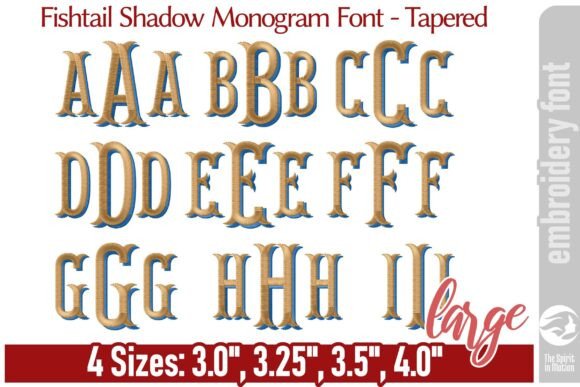
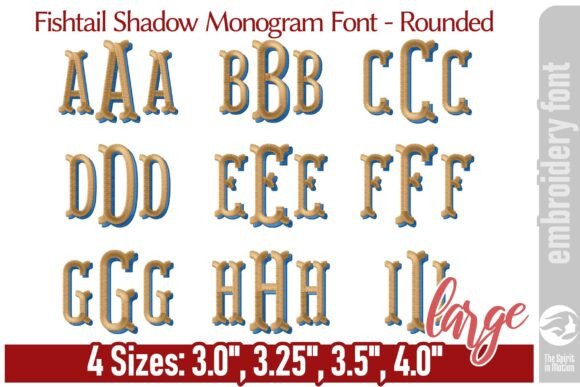
In the evolving landscape of machine embroidery, the distinction between a standard digitized font and a true design element often lies in the treatment of dimension. The Fishtail Shadow Monogram Font - RL represents a specific niche within digital embroidery assets where typographic tradition meets modern textural aesthetics. Unlike flat block letters or simple outline scripts, this fishtail monogram embroidery font showcases soft rounded serifs with a smooth satin shadow that creates depth and charm. This combination serves a dual purpose: it maintains legibility at various scales while introducing a tactile quality that mimics high-end appliqué or layered stitching without the additional production time.
For professionals, hobbyists, and business owners navigating the vast library of available embroidery fonts, understanding the technical and aesthetic nuances of this specific typeface is essential for project success. Its playful yet polished look is perfect for personalizing clothing, accessories, and home décor, offering a modern twist on traditional monogramming. However, achieving optimal results requires more than simply loading the file; it demands an understanding of stitch density, fabric interaction, and the specific sizing parameters inherent to this design set.
Aesthetic Characteristics and Typographic Anatomy
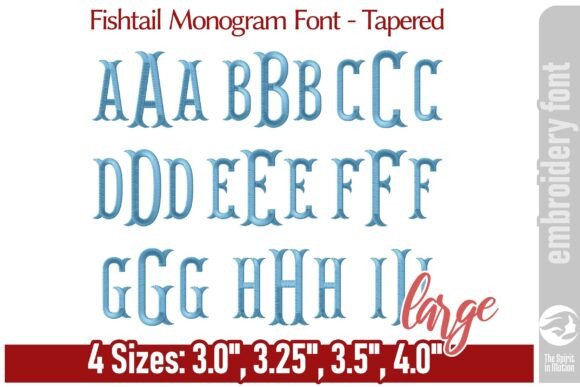
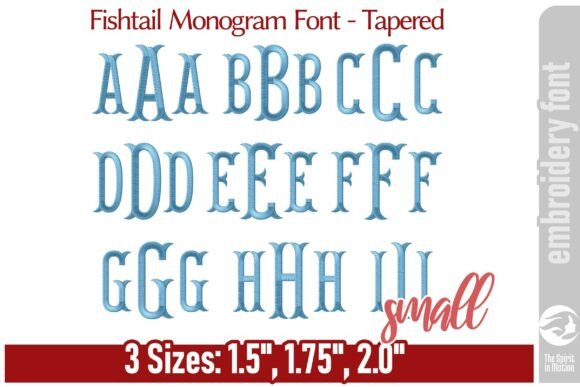
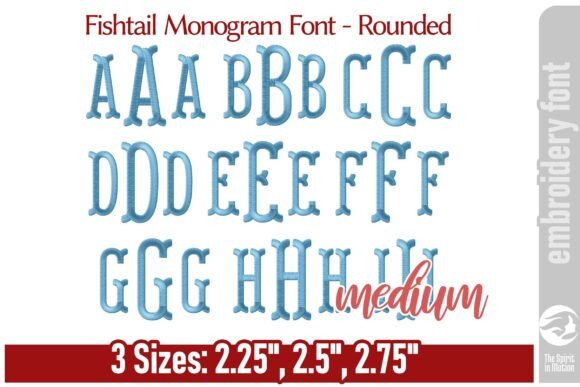
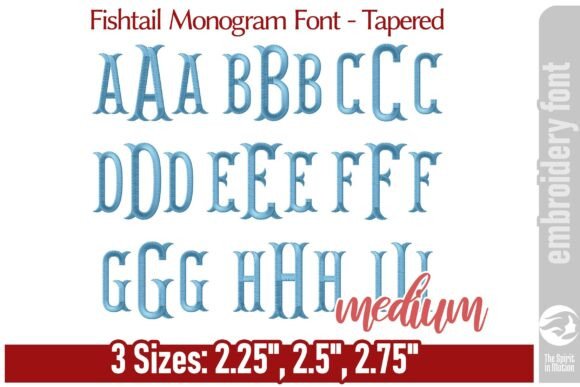
The visual identity of the Fishtail Shadow Monogram Font - RL is defined by its departure from rigid geometric structures. The "fishtail" nomenclature refers to the flared terminals of the letterforms, which widen gracefully before tapering off. This serif style is historically associated with elegance and fluidity, but when rendered in machine embroidery, it presents unique digitizing challenges. The rounded serifs in this collection are softened specifically to accommodate needle penetration and thread tension, preventing the sharp points that often cause puckering or thread breaks in lesser-quality digitizations.
The defining feature, however, is the integrated satin shadow. In traditional embroidery, creating a shadow effect usually requires two separate hooping sessions or complex layering techniques. This font integrates the shadow directly into the letter structure as a continuous satin stitch column. This creates a permanent, raised relief effect. The shadow is not merely a color change; it is a structural component that adds physical weight to the design. This depth allows the monogram to stand out against busy backgrounds or textured fabrics where flat stitches might disappear visually. The interplay between the primary letterform and the shadow satin creates a micro-contrast that enhances readability and perceived value.
Material Compatibility and Stabilization Strategies
Because the Fishtail Shadow Monogram Font - RL relies on satin stitches for both the main character and the shadow element, stabilization is the single most critical variable in production. Satin stitches exert significant lateral pull on the substrate. When doubled through the shadow effect, this tension increases. Users must select stabilizers based on the drape and weave of the target material rather than defaulting to generic tear-away options.
- Woven Cottons and Linens: These stable fabrics handle the shadow satin well but require a medium-weight cutaway stabilizer to prevent the "shadow" from distorting the fabric grain over time. The goal is to keep the letterform floating above the weave without pulling the base cloth inward.
- Knits and Performance Fabrics: The elasticity of knits conflicts with the rigidity of dense satin shadows. A fusible no-show mesh combined with a temporary adhesive spray is often necessary to lock the fibers during stitching. Without this, the fishtail serifs may tunnel or sink into the stretch fabric.
- Pile Fabrics (Towels/Terry): The depth of this font actually performs exceptionally well on high-pile surfaces. The shadow acts as a barrier, pushing down the pile around the letter while the main character sits atop. A water-soluble topping is mandatory here to prevent the satin shadow from getting lost in the loops.
- Sheer and Lightweight Fabrics: Caution is advised. The density required for a clean shadow satin may be too heavy for organza or voile. If used, the design size should be reduced, and a lightweight wash-away stabilizer should be employed to avoid leaving a permanent stiff backing.
Technical Specifications and Sizing Data
Accurate placement and scaling depend on precise knowledge of stitch counts and dimensions. Embroidery files are not vector graphics; they cannot be resized infinitely without degrading stitch quality or altering density ratios. For the Fishtail Shadow Monogram Font - RL, users must adhere to tested parameters to maintain the integrity of the shadow effect.
Please note the sizes and stitches information shown below is for “A” and “a” in each size. This is provided as a summary of what is available in this download file. For the full dimension details of the 164 letters in this set, click on the More Sewing Info PDF button on this page. Understanding why reference letters are used is important for workflow planning. Capital "A" typically represents the maximum height and width footprint due to its crossbar and apex, while lowercase "a" provides a baseline for x-height and internal counter space. These metrics allow operators to calculate hoop requirements and estimate thread consumption before committing to a full production run.
When scaling within the allowed range, be aware that the shadow satin width remains relatively constant relative to the letter height. Enlarging the font significantly may result in a shadow that appears disproportionately thin, while reducing it may cause the shadow to merge with the main letter body. Always perform a test stitch-out on the actual project fabric when moving toward the upper or lower limits of the recommended size spectrum.
Application Workflows Across Different Domains
The versatility of this typeface extends beyond simple name labeling. Its hybrid nature—part vintage, part contemporary—allows it to bridge gaps between different market segments and creative disciplines.
Apparel and Wearable Commerce
In the apparel sector, the Fishtail Shadow Monogram Font - RL excels in areas where perceived customization drives value. For baby clothing and children’s wear, the soft rounded serifs communicate safety and gentleness, avoiding the harshness of industrial block fonts. The shadow adds durability; because the design has built-in density, it withstands frequent laundering better than sparse running-stitch scripts. For adult fashion, particularly on cuffs, collars, and pocket placements, the font offers a boutique aesthetic. It reads as bespoke rather than mass-produced, allowing small businesses to charge premium prices for personalized garments. The key is placement; centering the monogram on a cuff or positioning it vertically along a placket leverages the font's vertical rhythm.
Home Décor and Soft Furnishings
Textile arts and home décor benefit from the font’s ability to anchor a composition. On throw pillows, napkins, and tea towels, the shadow element provides necessary visual weight. A flat monogram on a large pillow can look insignificant; the Fishtail Shadow variant commands attention without requiring massive scale. Educators and researchers in textile history may also find this font relevant as a case study in neo-traditional digitization, where historical serif forms are adapted for modern automated manufacturing. For hobbyists creating heirloom quilts, the font’s classic proportions harmonize with traditional piecing patterns while the satin finish adds a contemporary sheen.
Corporate and Event Branding
While corporate branding often favors sans-serif minimalism, certain industries require warmth and heritage. Hospitality, wedding planning, and artisanal food producers can utilize this font to soften their brand identity. On linen napkins for events or branded aprons for staff, the Fishtail Shadow Monogram Font - RL suggests attention to detail. Business owners should consider the thread color contrast carefully; the shadow is most effective when there is moderate contrast between the letter and the shadow, or between the entire unit and the fabric. Tone-on-tone embroidery using this font creates a sophisticated, subtle texture that relies entirely on the light catching the satin ridges.
Optimizing Production Efficiency and Quality Control
Integrating this font into a professional workflow requires attention to machine settings. The transition between the main letter and the shadow involves multiple trims and jumps if not optimized. Users should verify that their machine’s trim length is adjusted to prevent long tails on the back of the work, especially given the intricate curves of the fishtail serifs. Thread tension should be checked specifically for satin columns; loose bobbin tension will cause the shadow to wrap to the top, ruining the dimensional illusion.
Furthermore, color sequencing plays a role in the final appearance. While many users stitch the shadow and letter in the same color for a tone-on-tone effect, utilizing a slightly darker shade for the shadow can enhance the 3D illusion artificially. Conversely, using a lighter shade for the shadow can create a highlight effect, making the letter appear embossed. Experimentation with variegated threads can also yield unique results, though the shadow definition may become less distinct depending on the color variation frequency.
Ultimately, the Fishtail Shadow Monogram Font - RL is a tool that rewards technical competence with aesthetic superiority. It bridges the gap between digital convenience and handcrafted appearance. By respecting the stabilization requirements, adhering to sizing guidelines, and understanding the typographic intent behind the soft rounded serifs, creators can elevate their embroidery output from functional marking to decorative art. Whether for commercial fulfillment or personal expression, this font set provides a reliable foundation for adding lasting depth and charm to textile projects.