Elevating Embroidery Projects with the Nickainley Shadow Font
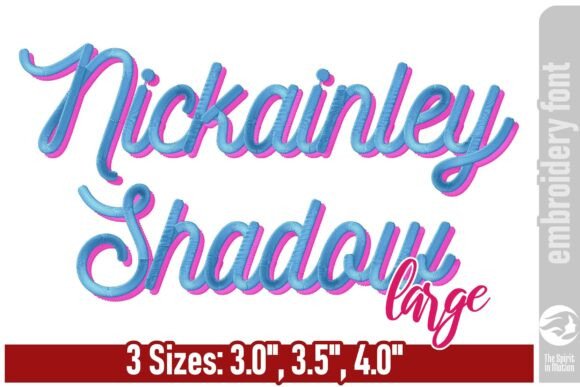
In the intricate world of machine embroidery, the choice of typography can define the entire character of a finished piece. While standard block letters serve functional purposes, it is the script fonts that breathe life, emotion, and artistry into fabric. Among the myriad of digital designs available to modern embroiderers, the Nickainley Shadow Embroidery Font - L stands out as a premier example of how digital digitization can mimic the organic beauty of hand-lettering. This font is not merely a collection of alphabetical characters; it is a smooth, stylish monoline script designed to bridge the gap between vintage charm and contemporary aesthetics.
Understanding the nuances of this specific typeface is essential for both hobbyists and professional digitizers who wish to create high-quality apparel, personalized gifts, and decorative stitching. By exploring the technical specifications, aesthetic qualities, and practical applications of Nickainley Shadow, creators can better leverage this tool to add genuine personality to their textile projects.
The Aesthetic Appeal of Modern Monoline Script
To fully appreciate the Nickainley Shadow font, one must first understand the design philosophy behind monoline script. Unlike traditional calligraphy which varies in stroke width based on pen pressure, a monoline font maintains a consistent line weight throughout every curve and loop. In the context of machine embroidery, this consistency is vital. It ensures that the thread tension remains stable, reducing the risk of puckering or uneven coverage on the fabric.
Nickainley Shadow takes this reliable structure and infuses it with a modern handwritten feel. The clean, flowing lines are engineered to look effortless, yet they are the result of precise digitizing. This balance makes the font exceptionally versatile. It possesses enough elegance to be used on formal wedding keepsakes while retaining a casual, approachable warmth suitable for children’s clothing or everyday tote bags. The addition of the shadow element adds a subtle layer of depth, creating a three-dimensional effect that lifts the text off the fabric without requiring complex 3D foam or excessive stitch density.
Technical Specifications and Sizing Guidelines
One of the most common challenges in machine embroidery is scaling. A font that looks beautiful at four inches may become illegible or technically flawed when resized to one inch. The Nickainley Shadow Embroidery Font - L download addresses this by providing clear benchmarks for performance. When evaluating this font set, it is important to note that the sizes and stitches information typically displayed in product summaries are based specifically on the capital “A” and lowercase “a.”
These two characters serve as the industry standard for gauging stitch count and dimensions because they represent a balanced average of the font's complexity. However, relying solely on summary data can lead to miscalculations in production planning. For the full dimension details of all 156 letters included in this comprehensive set, users are strongly encouraged to consult the More Sewing Info PDF provided with the download. This document is an invaluable resource for understanding the true scope of the character set, including special characters, ligatures, and size variations that may affect hoop selection and stabilizer choices.
Why Detailed Documentation Matters
Experienced embroiderers know that "one size fits all" rarely applies to digitized fonts. Accessing the full specification sheet helps prevent several common issues:
- Hoop Compatibility: Knowing the exact width of wider characters prevents starting a project only to find the design exceeds your machine’s maximum stitch area.
- Stabilizer Selection: Higher stitch counts in certain letters may require heavier cut-away stabilizers to prevent distortion.
- Production Time Estimation: Accurate stitch counts allow for precise quoting on custom orders and efficient batch processing.
- Legibility Checks: Understanding the minimum viable size ensures that names and quotes remain readable after washing and wear.
Practical Applications in Creative and Commercial Work
The versatility of Nickainley Shadow extends far beyond simple name personalization. Its modern handwritten aesthetic aligns perfectly with current trends in both DIY crafting and commercial apparel decoration. Understanding where and how to apply this font can significantly enhance the perceived value of embroidered goods.
Personalized Gifts and Keepsakes
In the realm of gifting, handwriting signifies intimacy and care. Because Nickainley Shadow mimics natural penmanship, it transforms generic items into heartfelt tokens. It is particularly effective for baby blankets, christening gowns, and memory pillows. The shadow detail adds a tactile quality that invites touch, making the item feel more substantial and heirloom-worthy. Unlike stiff block fonts, this script flows gently, respecting the softness of the textiles it adorns.
Apparel and Fashion Branding
For small business owners and boutique brands, typography is a key differentiator. Standard system fonts often lack the soul required for lifestyle branding. Nickainley Shadow offers a proprietary look that can become synonymous with a brand’s identity. It works exceptionally well on denim jackets, canvas tote bags, and linen aprons. The monoline construction ensures that the design does not overwhelm the garment, maintaining a lightweight feel that is crucial for wearable fashion.
Home Decor and Signage
Embroidered home decor has seen a resurgence in popularity. From inspirational quotes on throw pillows to family names on wall hangings, text-based embroidery is a staple of modern interior design. The clean lines of this font ensure readability from a distance, while the stylistic flourishes provide the decorative interest necessary for standalone art pieces. The shadow effect also helps the text stand out against patterned fabrics or textured linens commonly used in home furnishings.
Best Practices for Stitching Success
While Nickainley Shadow is digitized for smooth performance, the final output depends heavily on the operator’s technique. To achieve the best results with this monoline script, consider the following educational guidelines:
- Stabilizer is Key: Even though monoline fonts are generally lighter than satin-stitch scripts, the continuous running stitches can still cause tunneling on stretchy fabrics. Always use an appropriate cut-away stabilizer for knits and a tear-away for stable wovens.
- Needle Selection: Use a sharp needle (such as a 75/11) rather than a ballpoint when possible. Sharp needles pierce the fabric cleanly, ensuring the delicate lines of the script remain crisp and defined.
- Tension Adjustment: The shadow element relies on precise registration. If your bobbin tension is too loose, the shadow may peek out unevenly. Test on a scrap of your actual project fabric before committing to the final piece.
- Avoid Excessive Resizing: While the font is scalable, drastically reducing the size can cause the shadow stitches to merge with the main letter, creating a muddy appearance. Conversely, enlarging it too much may expose gaps in the monoline path. Stick to the recommended size ranges found in the detailed PDF documentation.
Common Misunderstandings About Script Fonts
Newcomers to embroidery often assume that all script fonts behave identically. This assumption can lead to frustration. A common misconception is that monoline scripts like Nickainley Shadow are "simple" and therefore require less attention to detail than complex satin fonts. In reality, monoline designs demand precision. Because there is no wide satin stitch to hide imperfections, any tension issue or fabric shift is immediately visible in the thin line of thread.
Another frequent misunderstanding involves the shadow itself. Some users believe the shadow is a separate color change. In many digitizations of this style, the shadow is achieved through offset stitching within the same color run or a clever layering technique that minimizes stops. Always check the color chart in your embroidery software before hooping to understand the sequence. Assuming a color change exists when it does not can lead to unnecessary trimming and wasted time.
Conclusion: Investing in Quality Typography
The Nickainley Shadow Embroidery Font - L represents more than just a digital asset; it is a foundational tool for expressive textile art. Its combination of smooth monoline geometry and stylish shadow detailing makes it a go-to choice for projects requiring a blend of modern sensibility and traditional warmth. Whether you are creating a single cherished gift or fulfilling a commercial order for branded merchandise, this font delivers reliability and beauty in equal measure.
By taking the time to understand its technical parameters—specifically by reviewing the full dimension details for all 156 letters via the More Sewing Info PDF—embroiderers can avoid common pitfalls and unlock the full potential of this design. In an era where mass production dominates, the ability to stitch clean, flowing, personalized typography is a valuable skill. Nickainley Shadow empowers creators to produce work that feels authentically human, proving that even in a digital age, the art of the written word remains vibrantly alive in thread.