Rochester Embroidery Font - Small: Elevating Detailed Needlework
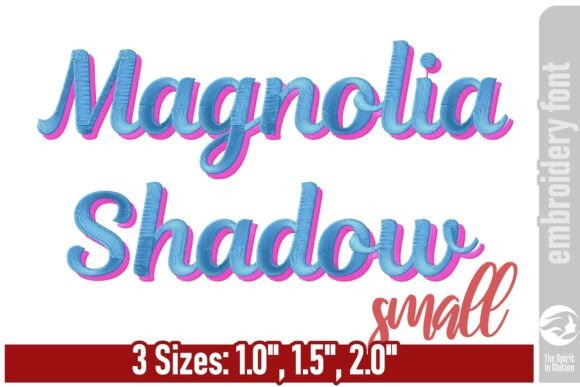
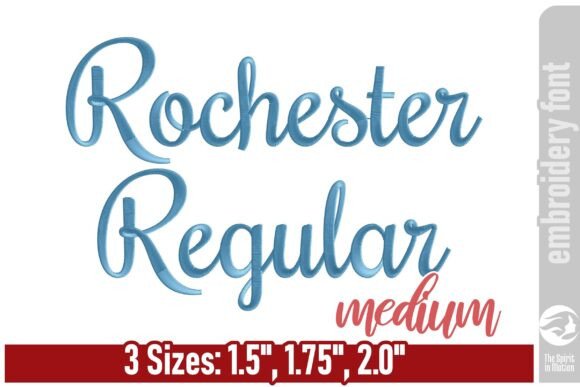
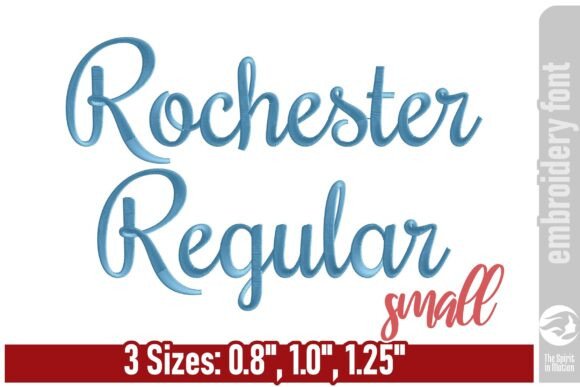
Add timeless charm to your embroidery with the Rochester Font – a flowing, vintage-inspired script with graceful curves and connected letters. This elegant typeface is perfect for monograms, bridal gifts, home décor, and personalized apparel. Its classic style is ideal for names, quotes, and designs that need a touch of sophistication. When working specifically with the Rochester Embroidery Font - Small, you are accessing a digitization optimized for delicate projects where standard script fonts might become illegible or cause fabric puckering. The "Small" designation is not merely about reducing dimensions; it represents a re-engineered stitch path designed to maintain the integrity of those signature graceful curves at reduced scales.
Real-World Applications for Delicate Script
The primary advantage of using the small variation of this font lies in its versatility across different textile weights and project types. While large scripts dominate jacket backs and quilt blocks, the Rochester Embroidery Font - Small excels in high-detail environments. Consider the cuff of a dress shirt or the collar of a blouse. These areas offer limited real estate, yet they demand high legibility. A standard script digitized down to 30% often results in thread breaks and poor registration. The small version retains stitch definition at these lower heights, making it indispensable for professional garment decorators and hobbyists focusing on wearable art.
Bridal and special occasion markets also benefit significantly from this specific sizing. Handkerchiefs, ring bearer pillows, and garter embellishments require typography that feels intimate rather than imposing. The connected letters in the Rochester design evoke traditional penmanship, which pairs beautifully with lace and satin. Because the small size reduces the total stitch count per letter, it minimizes the risk of damaging delicate heirloom fabrics while still providing the visual weight necessary to stand out against textured backgrounds.
Understanding Technical Specifications and Sizing
Before loading this design into your machine, it is helpful to understand how the data is structured for optimal results. The sizes and stitches information shown below is for “A” and “a” in each size. This is provided as a summary of what is available in this download file. For the full dimension details of the 256 letters in this set, click on the More Sewing Info PDF button on this page. Reviewing this technical sheet prevents guesswork during production. Knowing the exact stitch count difference between an uppercase and lowercase character allows for more accurate time estimation and stabilizer selection.
Different users will leverage this technical data in unique ways. Commercial embroiderers use the stitch counts to calculate pricing and production schedules accurately. If a client requests fifty napkins with three-letter monograms, knowing the precise stitch count of the small Rochester capitals versus the lowercase letters determines whether the job takes two hours or three. Home users, conversely, use this information to ensure their hoop selection is appropriate. Understanding the maximum height of the tallest ascender or lowest descender in the small set prevents frustrating mid-stitch errors where the needle bar strikes the hoop frame.
Fabric Pairings and Stabilizer Strategies
The elegance of the Rochester Embroidery Font - Small relies heavily on proper substrate preparation. Vintage-inspired scripts feature varying line widths and sweeping connections that can distort easily on unstable fabrics. For knitwear like baby onesies or lightweight t-shirts, a cut-away stabilizer is generally recommended over tear-away options. The continuous running stitches that form the connections between letters act as a perforation line; tearing away stabilizer after stitching can inadvertently pull or distort these fine connecting threads.
For woven fabrics such as linen table runners or cotton quilting squares, the small font performs exceptionally well due to the tighter weave structure. However, even on stable wovens, using a light mesh cut-away or a high-quality tear-away ensures the graceful curves remain smooth. One practical observation from experienced digitizers is that the small Rochester font often benefits from a slightly higher top tension setting. Because the letters are compact, any bobbin thread showing on the top side becomes immediately visible within the tight curves. Running a test sew-out on a scrap of your actual project fabric is always the most reliable way to dial in these mechanical variables before committing to the final piece.
Creative Inspiration Beyond Basic Monogramming
While names and initials are the most common use cases, the Rochester Embroidery Font - Small opens doors for more complex creative expressions. Its refined aesthetic makes it suitable for short inspirational quotes or dates on commemorative items. Imagine a wooden ornament covered in felt, stitched with a significant year in this flowing script. The small scale keeps the text subordinate to the overall shape of the ornament, creating balance rather than visual clutter.
In the realm of home décor, this font serves as an excellent accent element. Rather than being the sole focal point, it can complement larger, bolder designs. Pairing a large floral motif with a small Rochester label identifying the flower species creates a botanical illustration effect. Similarly, in quilting, using this small script to label individual blocks or add subtle messages within sashing strips adds a layer of storytelling without overwhelming the piecing work. The connected nature of the letters helps guide the viewer’s eye across the textile, creating movement and flow that blocky, sans-serif fonts simply cannot achieve.
Navigating Limitations and Best Practices
Despite its beauty, the Rochester Embroidery Font - Small does have practical boundaries. It is crucial to recognize that "small" does not mean "micro." Attempting to shrink this font below its intended minimum size will result in lost detail and potential machine jams. The intricate entry and exit points of the connected letters require a certain amount of physical space for the needle to penetrate cleanly. Always respect the minimum size guidelines provided in the sewing info documentation.
Another consideration is color contrast. Vintage scripts rely on shadow and highlight created by thread sheen. Using a matte thread on a matte fabric, or a low-contrast color combination, can cause the beautiful curves to disappear visually. High-sheen rayon or polyester threads typically enhance the vintage aesthetic best, catching light along the curved stitch paths. Additionally, because this is a connected script, spacing (kerning) requires attention. Unlike block fonts where letters can be evenly spaced, script fonts must overlap slightly to mimic handwriting. Most embroidery software handles this automatically for installed fonts, but if you are placing individual letter files manually, take care to nestle the connection points naturally to preserve the illusion of continuous writing.
Ultimately, the Rochester Embroidery Font - Small is a tool for adding nuance and heritage to modern needlework. Whether you are marking linens for a new home, personalizing corporate wear with understated elegance, or creating heirloom gifts, understanding the specific characteristics of this small-format digitization ensures your finished work reflects the quality and sophistication inherent in the design itself. By respecting the technical parameters and exploring creative applications beyond simple naming, this typeface becomes a versatile asset in any embroiderer's digital library.